So much to choose from to write about this week, but I am, by my own rules for this series of posts, limited to five topics. I noted last week that there was a risk I would beat holiday jokes into the ground this month, and here I go again, starting with an article about


I really like a good theme. I can’t help it – it’s the trial lawyer in me. Frankly, I not only like a good theme in an opening and closing at trial, but in an oral argument on appeal or in an appeal brief. Themes help tremendously with communication, particularly in litigation.

So it won’t

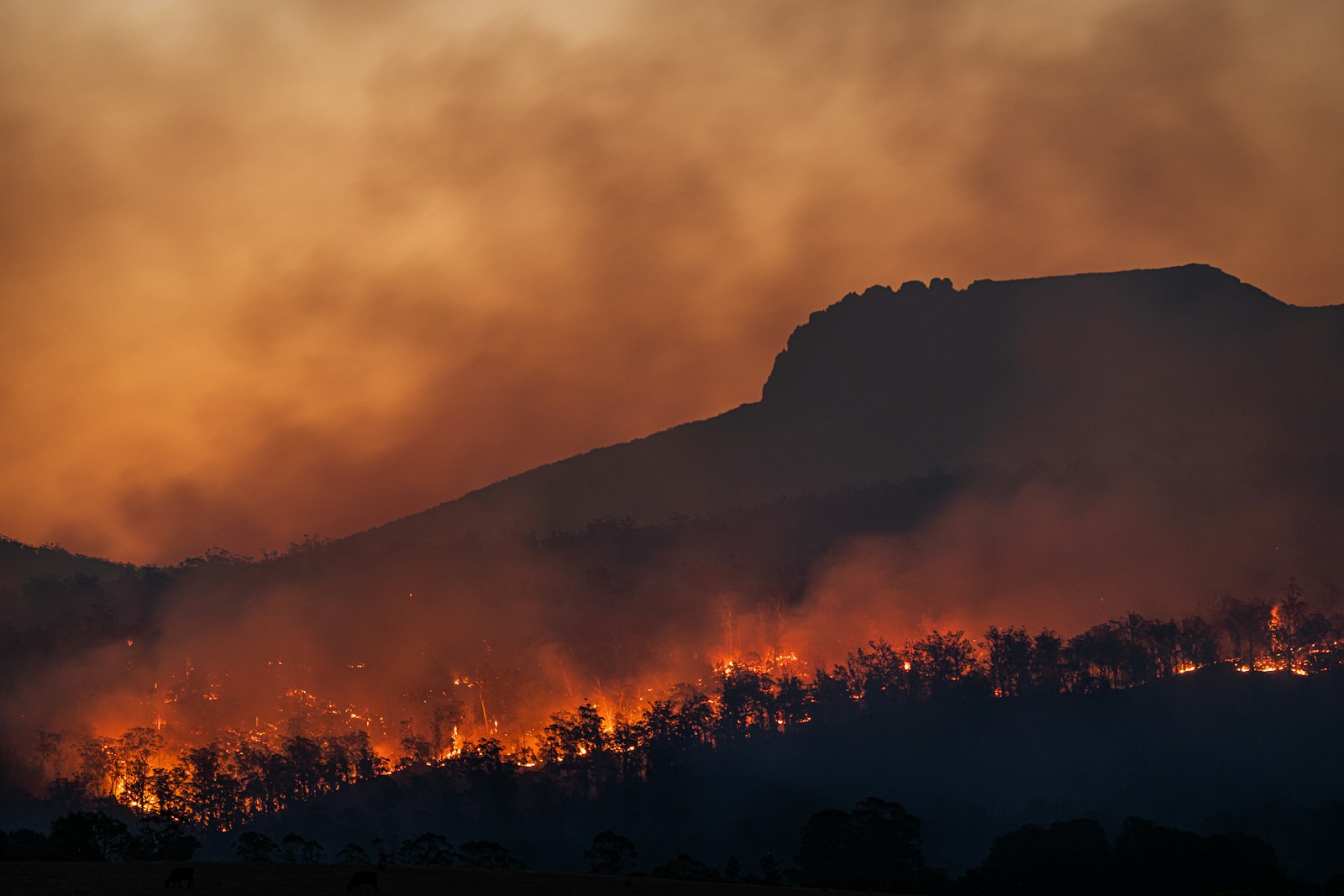
I have written extensively on the relationship between insurance and climate change, going back to early comments and work on the subject by Lloyds‘, and continued to address it in the context of insurers withdrawing from markets in the face of climate related losses. I am known for saying that the insurance industry

It’s interesting. I have been at DRI’s 2024 Insurance Coverage and Practice Symposium all day, and much of the discussion is either directly about or tangentially related to the impact of artificial intelligence on insurance. To me, the consistent theme that underlies all of the discussion is the ability of AI tools to improve the

Many of you know that I have been writing about the intersection of the insurance industry and climate change for almost long as this blog has existed. I have long been interested in the economic relationship between the two, as the industry responds to climate losses and, in so doing, forces homeowners and other insureds

This is a great story from over the holidays that I wanted to pass along, which touches on many issues in the current insurance environment. It’s a story of how insurance industry insiders in the Florida homeowners coverage market have been able to get rich by “cherry picking” policies to underwrite, while leaving the riskiest

I started writing years ago on the litigation and insurance questions posed by climate change, focusing on two particular issues, namely: (1) the role of litigation in response to climate change issues; and (2) the response of insurers to increased risk exposure as a result of climate change. When I started writing on these topics

Well now . . . The news that State Farm is going to stop writing new homeowners business in California didn’t surprise me at all, but it did ring a powerful bell. All the way back in 2007 I was writing that climate change would be taken seriously and action would be taken once the